Tree Health Care · Denver Metro
Tree Health Care
Diagnosis and treatment for sick trees, including emerald ash borer protection for ash trees.
Get a quote for tree health care
The online form isn't set up yet. The fastest way to reach us is by phone.
Call (303) 555-0126When a tree looks unwell
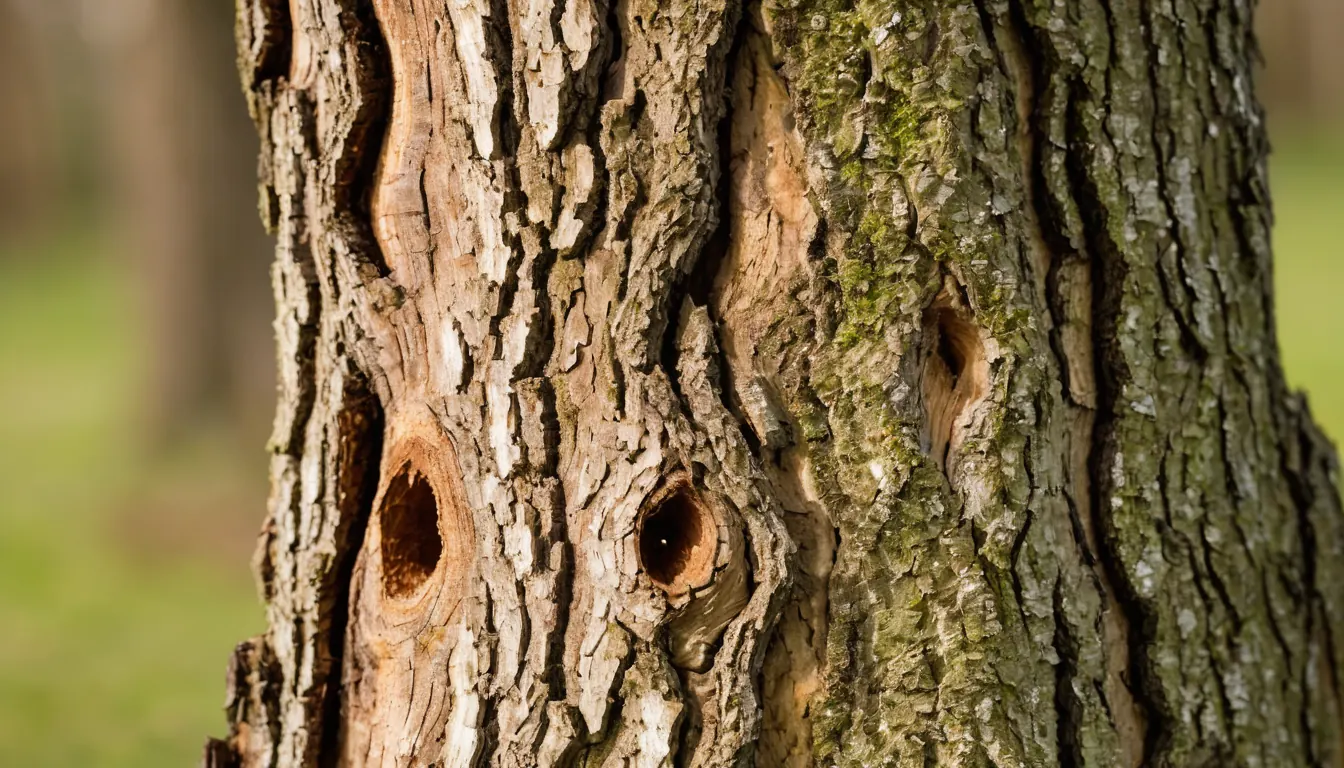
Trees show stress in a handful of ways: thin or yellowing leaves, leaves that scorch brown at the edges in summer, dead branches at the top of the canopy, oozing or cracked bark, holes in the trunk or clusters of shoots sprouting low on the trunk. Some of these point to insects or disease. Many point to drought, poor soil, construction damage to the roots or a tree planted too deep. Our arborist looks at the whole tree and its surroundings before recommending anything, because spraying a tree that is really short of water does not help it.
Emerald ash borer
Emerald ash borer is an invasive beetle that kills ash trees. Its larvae feed under the bark and cut off the tree's flow of water and nutrients. Since it was first found in Colorado in Boulder in 2013, it has spread to many Front Range cities, and Denver confirmed it in 2025. Signs include thinning at the top of the canopy, small D-shaped exit holes in the bark, S-shaped tunnels under loose bark, woodpecker damage and shoots sprouting from the trunk. Not every ash with a thin canopy has it, so an inspection matters before you decide.
Treat, or remove and replace
A healthy, valuable ash can be protected. The most effective treatment is a trunk injection of emamectin benzoate, which the tree carries up into its canopy. Denver's forestry office reports that treatment is around 90 percent effective when done correctly and must be repeated every 2 to 3 years for as long as you want to keep the tree. Small ash trees, and ash trees already in decline, are often better removed and replaced with another species. Colorado has limited the sale of many neonicotinoid insecticides, including imidacloprid, since July 2024, so most homeowner soil drenches are harder to find. Injecting a street tree in Denver needs a free permit from the Office of the City Forester, which we apply for, and Denver has run an ash removal and replacement program for some small street ash trees.
Other problems we see
Aphids and scale insects on many shade trees, iron chlorosis turning leaves pale yellow in our alkaline soils, and bark beetles such as Ips attacking pines and spruce weakened by drought are common calls. Fire blight on crabapples and other fruit trees, and canker diseases on aspen, show up in wet springs. Some of these need treatment, some need better watering or mulch, and some are cosmetic and best left alone.
Treatments and licensing
Applying pesticides for hire in Colorado requires a commercial applicator license from the Colorado Department of Agriculture, and our technicians hold one. We only treat when it makes sense for the tree, we follow the product label and we tell you in writing what we applied and when the next treatment is due.
Areas served
Tree Health Care across Denver Metro
What you get
What's included
Arborist diagnosis
A certified arborist looks at the tree, the soil and the site.
Ash tree inspection
Signs of emerald ash borer checked before you decide.
Trunk injections
Ash protection and other treatments by licensed applicators.
Soil and water advice
Mulch, watering and soil care for stressed trees.
Written records
What we applied, when, and when the next visit is due.
Pricing
Tree Health Care cost guide
| Job | Typical range | Notes |
|---|---|---|
| Arborist health visit | $100–$250 | Credited toward treatment if you go ahead |
| Ash tree injection | $10–$18 | Per inch of trunk diameter, repeated every 2 to 3 years |
| Typical 20-inch ash injection | $200–$360 | One treatment cycle |
| Insect or disease treatment | $100–$400 | Per tree, depends on size and product |
| Deep root watering and fertilizing | $90–$250 | Per tree, for drought-stressed trees |
Get a price for tree health care
Tell us about the tree. Someone from Elmcairn Tree Care will call you back.
- New trees we plant guaranteed for 1 year
- Financing available on larger removals
- Fully insured
Prefer to talk? (303) 555-0126
The online form isn't set up yet. The fastest way to reach us is by phone.
Call (303) 555-0126Why choose us
Why Denver Metro calls Elmcairn Tree Care
Upfront prices
You approve the price before we start
ISA Certified Arborist
A certified arborist on staff for tree health questions
Licensed and insured
License number on every estimate
Our own crews
Our own climbers on every job, no subcontracted crews
5 out of 5 stars
The arborist checked our two ash trees and was honest that the small one was not worth treating. We injected the big one and replaced the small one with a different species. Clear prices for both.
Gary O., Littleton · Google
Sample review
4 out of 5 stars
A spring snow dropped a huge limb onto our garage roof late at night. They came out once the snow eased in the morning and lifted it off in sections. Took longer than I hoped, but they told us why.
Dan K., Englewood · Google
Sample review
5 out of 5 stars
They helped us pick a tree that will not grow into the power line, planted it at the right depth and left a watering schedule on the fridge. It leafed out well this spring.
Ana C., Thornton · Google
Sample review
The process
How it works
Book a health visit
Tell us what changed in the tree and when you noticed it.
Diagnosis
Our arborist inspects the tree and explains the cause.
Options in writing
Treat, prune, water or replace, each with a price.
Treatment and follow-up
We treat if you approve and note when to check again.
Need tree health care today?
FAQ
Tree Health Care questions
Should I treat my ash tree for emerald ash borer?
If the tree is healthy, well placed and large enough to matter to you, treatment is often worth it. Emamectin benzoate trunk injections are the most effective option and are repeated every 2 to 3 years. Small ash, or ash already in decline, are usually better replaced.
Why are my tree's leaves turning yellow?
Pale yellow leaves with green veins often point to iron chlorosis, common in alkaline soils around here. Drought, overwatering, root damage and planting too deep can also cause yellowing. Our arborist looks at the tree and the soil before recommending a treatment.
More services