Tree Trimming & Pruning · Denver Metro
Tree Trimming & Pruning
Pruning for safety, health and clearance, done to industry standards. We never top trees.
Get a quote for tree trimming & pruning
The online form isn't set up yet. The fastest way to reach us is by phone.
Call (303) 555-0126Why prune at all
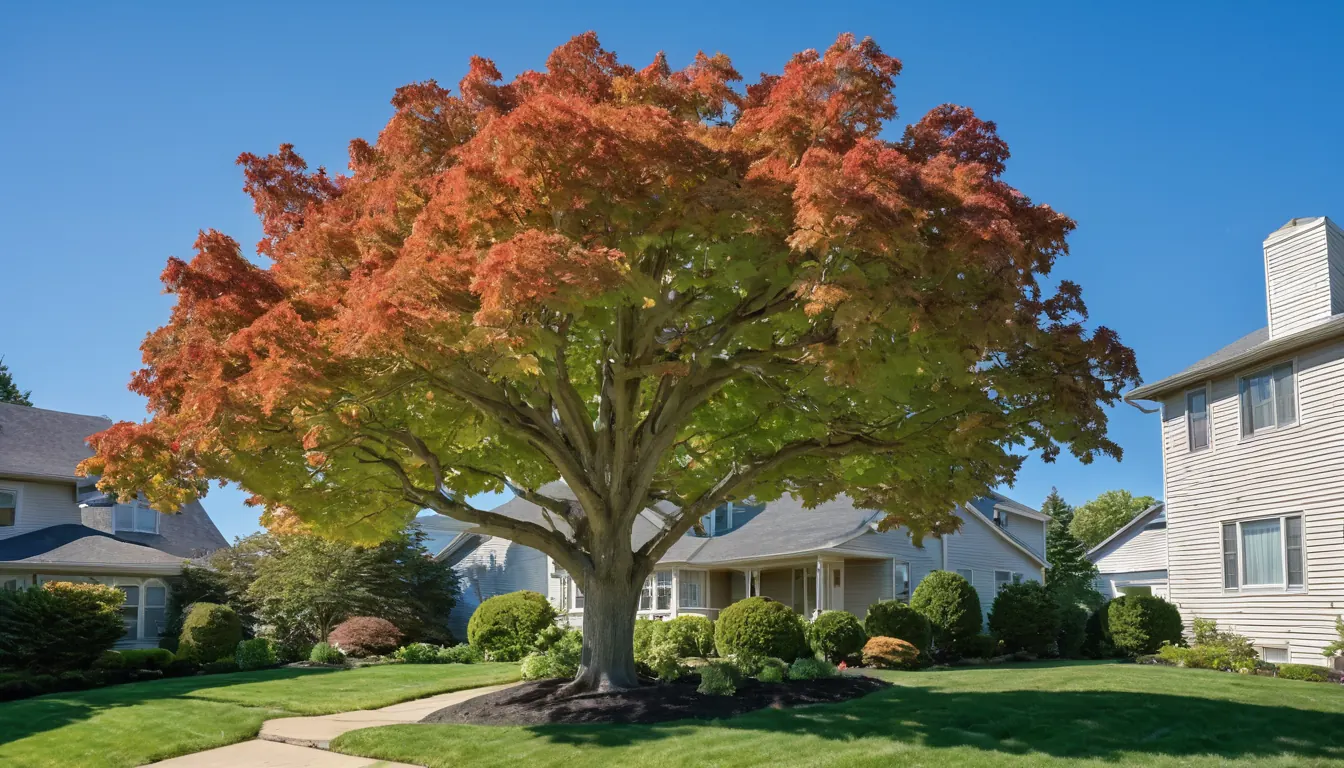
Good pruning makes a tree safer and helps it live longer. It removes dead, broken and rubbing branches before they fall. It clears branches back from the roof, the chimney and the gutters, and raises low limbs over the driveway and sidewalk. On young trees, it shapes the structure so the tree does not grow two competing trunks that split apart later. On mature trees, it reduces weight on long limbs that hang over the house. Pruning is not about making a tree smaller every few years. A tree that needs to be cut back hard every time is usually the wrong tree for the spot.
How we prune
Our crews follow the ANSI A300 pruning standards, the industry standard for tree care in the United States. Every cut is made just outside the branch collar, the slight swelling where a branch meets the trunk, so the tree can seal the wound. We thin the canopy selectively instead of stripping out the inside, and we rarely take more than about a quarter of the live canopy in one visit, because a tree needs its leaves to make food. Climbers use ropes and saddles, not climbing spikes, on trees that are staying.
Why we do not top trees
Topping means cutting the main branches back to stubs to make a tree shorter. It is still common, and it does real harm. The stubs decay, the tree sends out clusters of fast, weakly attached shoots, and within a few years the tree is as tall as before and more likely to drop branches. The International Society of Arboriculture advises against it. If a tree is too big for its space, we will tell you whether careful reduction pruning can help, or whether replacing it with a better-suited tree makes more sense.
Clearance, snow and the city rules
Wet spring and fall snows often land while trees still have their leaves, and the weight snaps branches across the metro. Thinning heavy limbs and removing weak branch unions ahead of time reduces that damage. In Denver, property owners must keep branches at least 8 feet above sidewalks and 13.5 feet above streets and alleys, and keep stop signs visible. No permit is needed to prune a street tree there, but the work must meet industry standards, and the company doing it must hold a Denver tree service license. Branches touching or close to power lines are a different matter: only qualified line clearance workers may cut near them, and we coordinate with Xcel Energy when a job needs it.
When to prune
Most pruning can be done at any time of year. Late winter, while trees are dormant, is a good time for structural pruning, because the branches are easy to see and the tree is about to grow. Dead and broken branches should come out whenever you notice them. We tell you if a particular species is better pruned in a certain season.
Areas served
Tree Trimming & Pruning across Denver Metro
What you get
What's included
Deadwood removal
Dead, broken and hanging branches taken out first.
Structural pruning
Young trees shaped so they grow one strong trunk.
Clearance work
Branches raised over walks and drives and cut back from the roof.
Standard cuts
Pruning to ANSI A300 standards, with no topping.
Cleanup
Brush chipped and hauled, the yard raked and blown off.
Pricing
Tree Trimming & Pruning cost guide
| Job | Typical range | Notes |
|---|---|---|
| Small tree or ornamental pruning | $200–$500 | Under about 25 feet, ground or ladder work |
| Medium tree pruning | $400–$1,200 | About 25 to 50 feet, climbing or bucket truck |
| Large tree pruning | $900–$2,500 | Mature shade trees, depends on access |
| Roof and clearance trimming | $250–$800 | Branches cut back from the house and raised over drives |
| Young tree structural pruning | $100–$300 | Per tree, often added to another visit |
Get a price for tree trimming & pruning
Tell us about the tree. Someone from Elmcairn Tree Care will call you back.
- New trees we plant guaranteed for 1 year
- Financing available on larger removals
- Fully insured
Prefer to talk? (303) 555-0126
The online form isn't set up yet. The fastest way to reach us is by phone.
Call (303) 555-0126Why choose us
Why Denver Metro calls Elmcairn Tree Care
Upfront prices
You approve the price before we start
ISA Certified Arborist
A certified arborist on staff for tree health questions
Licensed and insured
License number on every estimate
Our own crews
Our own climbers on every job, no subcontracted crews
5 out of 5 stars
Another company wanted to top our maple. These guys thinned it, raised the branches over the driveway and explained every cut. It looks like a tree again, not a stump with sticks.
Tom W., Wheat Ridge · Google
Sample review
4 out of 5 stars
A spring snow dropped a huge limb onto our garage roof late at night. They came out once the snow eased in the morning and lifted it off in sections. Took longer than I hoped, but they told us why.
Dan K., Englewood · Google
Sample review
5 out of 5 stars
They helped us pick a tree that will not grow into the power line, planted it at the right depth and left a watering schedule on the fridge. It leafed out well this spring.
Ana C., Thornton · Google
Sample review
The process
How it works
Walk the yard
Tell us what bothers you about the tree, and we look at all of it.
Pruning plan
We explain what we will cut and why, with a written price.
Pruning day
Climbers or a bucket truck do the work, cut by cut.
Cleanup
Brush chipped, yard raked, and we show you the finished tree.
Need tree trimming & pruning today?
FAQ
Tree Trimming & Pruning questions
Will trimming hurt my tree?
Not when it is done right. We follow the ANSI A300 pruning standards, cut just outside the branch collar and rarely remove more than about a quarter of the live canopy in one visit. Topping, which cuts branches back to stubs, does harm, and we do not do it.
How often should trees be pruned?
Young trees benefit from light structural pruning every couple of years. Mature shade trees usually need pruning every three to five years, plus a check after big storms. Dead or broken branches should come out whenever you see them.
More services